Introduction to Shanhaijing: An Ancient Chinese Gem
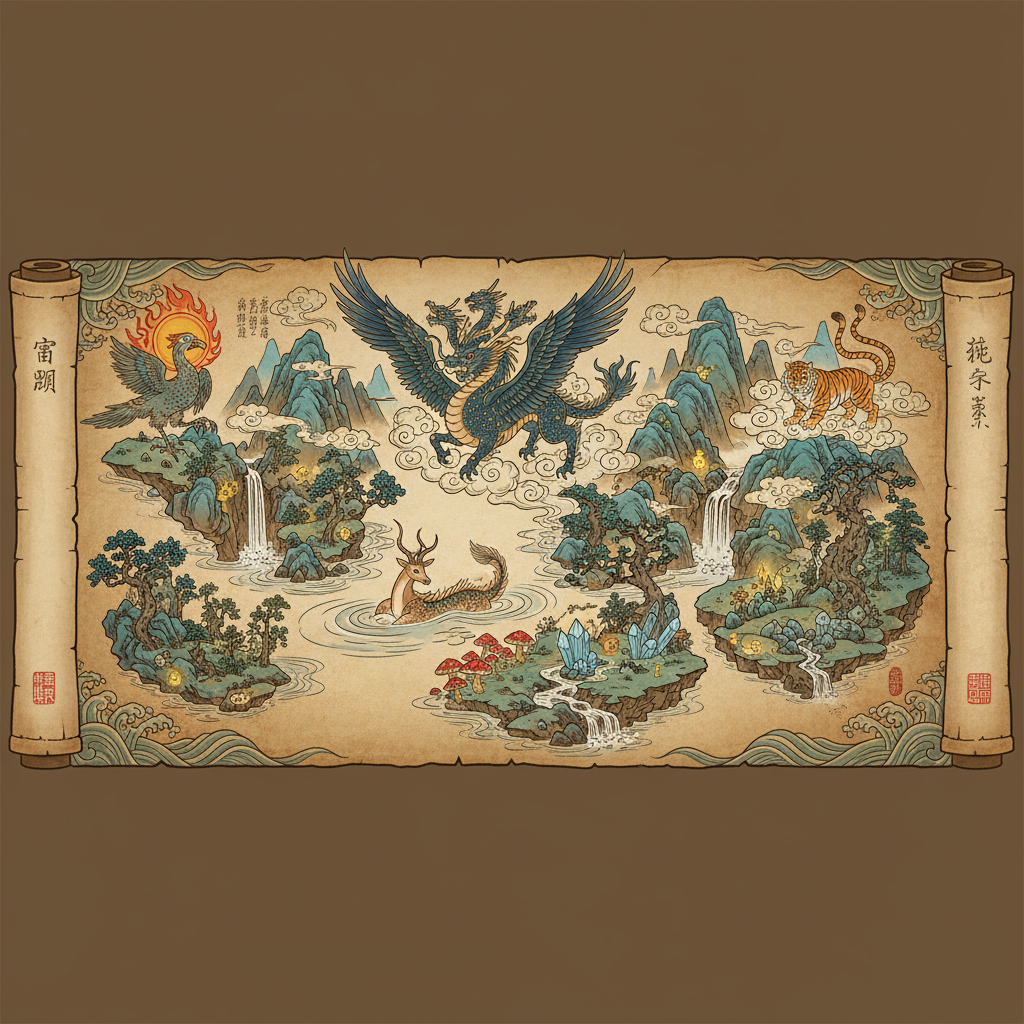
The Shanhaijing, or Classic of Mountains and Seas, is a remarkable ancient Chinese text that blends geography, mythology, and folklore, deeply ingrained in the cultural fabric of China. Compiled during the Warring States period, this encyclopedic work presents a diverse array of mythical creatures, celestial beings, and fantastic landscapes. With its intricate stories and detailed descriptions, the Shanhaijing serves as an essential source for understanding Chinese mythology and its influence on culture and art throughout history.
The Mythical Creatures of Shanhaijing: A Gallery of Wonders
The Shanhaijing is perhaps best known for its vivid depictions of extraordinary creatures, many of which defy the norms of nature. Among the notable beings are the Qilin, a harmonious fusion of various animals often seen as an omen of prosperity, and the Taotie, a fearsome monster associated with greed, depicted with an insatiable desire for food. Such creatures not only symbolize various virtues or vices but also reflect the moral and philosophical ideas prevalent in ancient Chinese society.
The text also describes the Fenghuang, often considered the counterpart to the phoenix in Western cultures, symbolizing grace and virtue. While Western interpretations often associate the phoenix with rebirth from ashes, the Fenghuang represents dynastic peace and the union of yin and yang. The differences underscore the unique cultural narratives embedded within the Shanhaijing.
Topographical Wonders: The Enigmatic Lands
Within the Shanhaijing, there lies a cartography of fantastical realms brimming with life and myth. These lands, often reflecting the natural geography of ancient China, contain mountains cloaked in divine significance, such as Mount Kunlun, believed to be the center of the world and a divine abode of immortals. Such descriptions not only serve as geographical markers but also act as portals into the spiritual realm of the ancient Chinese cosmology.
Aside from revered mountains, the text features eerie locales inhabited by strange creatures, like the Jiao, a dragon-like monster credited with causing floods and representing chaotic natural forces. These landscapes serve as allegories, influencing how ancient Chinese viewed phenomena such as weather and natural disasters, often attributing them to spiritual forces rather than mere physical occurrences.
Cultural Significance: A Reflection of Beliefs and Society
The Shanhaijing transcends mere storytelling; it serves as a cultural chronicle that reveals the worldview of ancient Chinese society. The portrayal of mythical beasts and ethereal landscapes reflects a deep connection to nature, as well as the complexities of moral values, societal norms, and spiritual beliefs. These narratives reinforce the belief in the harmonious relationship between humans and the natural world, emphasizing respect for the environment, which resonates with modern ecological concerns.
Furthermore, the Shanhaijing has captivated artists and scholars alike, leading to its influence in various cultural expressions, including literature, art, and even cinema. The mythical creatures have transformed into symbols woven into the fabric of Chinese identity, appearing in contemporary works while invoking a sense of nostalgia for ancient traditions.
Interesting Details: The Enigma of Mistranslation and Popularity
While the Shanhaijing has remained a significant literary treasure, its translations and interpretations often present challenges. Some creatures and lands have multi-layered meanings that can change the perception based on the reader’s viewpoint. This has led to diverse adaptations and reinterpretations across cultures, further diversifying its influence.
The mysterious nature of certain entries has also spurred speculation and academic debate. For instance, the creature known as the Bixie serves both as a protector against evil spirits and a harbinger of good fortune, illustrating the duality and complexity inherent in these myths. This multiplicity often requires an interdisciplinary approach for thorough understanding, weaving together anthropology, linguistics, and art history.
Conclusion: The Enduring Legacy of Shanhaijing
The Shanhaijing, a monumental work steeped in history and mythology, serves as an everlasting influence on both traditional and contemporary Chinese culture. Its fascinating creatures and extraordinary landscapes continue to inspire numerous creative endeavors while serving as a reminder of the rich heritage from which they stem. As we delve into these mythical narratives, we uncover not just stories of ancient beasts and lands, but also the enduring legacy of human imagination and the age-old quest to understand our place in the cosmos. In exploring the worlds of Shanhaijing, we inevitably harmonize with the ancient voices that echo through time, reminding us that myths have the power to connect us across generations.