The Shanhaijing: An Overview of a Cultural Treasure
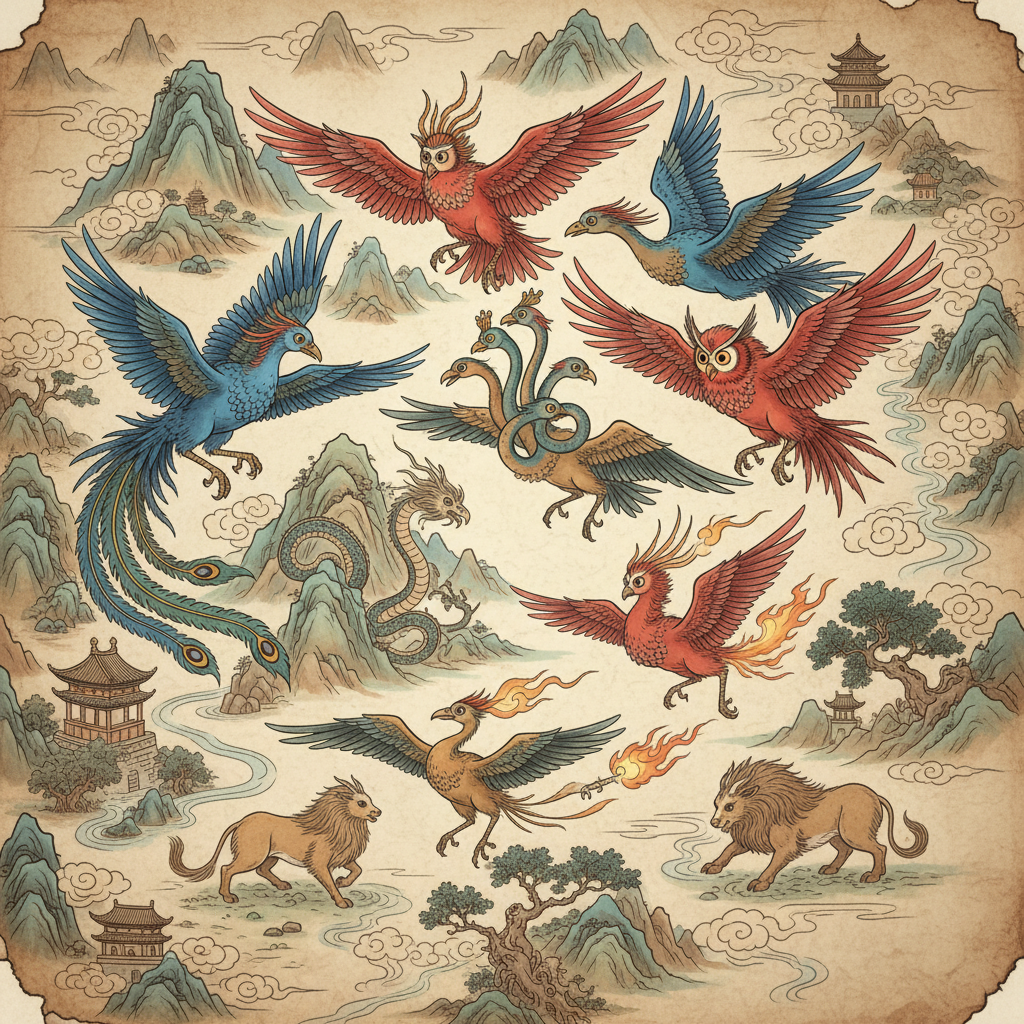
The Shanhaijing, or Classic of Mountains and Seas, is an ancient Chinese text that has fascinated scholars and cultural enthusiasts for centuries. Believed to have been compiled during the Warring States period (475-221 BCE), the Shanhaijing serves as a guide to various geographical areas in China, populated by a plethora of mythical creatures, gods, and ethereal realms. Its pages brim with stories of bizarre landscapes and fantastic beings, particularly those of avian nature. This article will delve into the mythical birds of the Shanhaijing, exploring their origins, roles, and influence within the context of Chinese culture.
The Mythology of Birds in the Shanhaijing
In the Shanhaijing, birds occupy a unique position, embodying various symbols ranging from immortality to misfortune. Among the numerous feathered beings, some noteworthy examples include the Fenghuang (the Chinese phoenix), the Yao (a bird associated with omens), and the Huangdi's golden birds. Each bird serves as a metaphor for broader themes in Chinese mythology including transformation, renewal, and divine communication.
The Fenghuang, often described as a benevolent bird that represents peace and prosperity, is particularly significant. Traditionally depicted with vibrant plumage, the Fenghuang symbolizes the union of opposites — a balance of yin and yang. Its appearances in art, literature, and folklore denote harmony in relationships and the importance of virtue in leadership. Remarkably, the Fenghuang serves as a counterpart to the Qilin (the Chinese unicorn), together embodying the harmony that characterizes a prosperous society.
Notable Birds and Their Roles in Myths
The Fenghuang: A Symbol of Prosperity and Harmony
As mentioned earlier, the Fenghuang is one of the most celebrated mythical birds in Chinese lore. This striking creature is typically described with a long neck, slender body, and colorful feathers, embodying the essence of elegance and nobility. Additionally, the Fenghuang is often depicted amidst flames, symbolizing its eternal nature and association with fire. Cultural depictions of the Fenghuang have evolved through the ages, but it consistently represents the nurturing aspects of femininity and the divine right to rule.
The Yao: A Harbinger of Omens
Among the other birds, the Yao stands out as a creature that foretells future events. Recognizable for its distinct coloration—often depicted in shades of red—the Yao emerges in prayers and rituals as a vessel for divine messages. Rather than a symbol of fortune, the Yao serves as an ominous reminder of the unpredictability of life and fate, reinforcing the belief that human actions can influence the cosmic balance.
The Golden Birds of Huangdi
Another captivating avian entity described in the Shanhaijing are the golden birds associated with the legendary Yellow Emperor, Huangdi. These birds are often regarded as spiritual protectors and bearers of messages from the heavens. Their vibrant appearance symbolizes both physical wealth and spiritual enlightenment, embodying the ideals of virtue and moral rectitude in leadership.
Cultural Significance and Influence
The avian creatures within the Shanhaijing offer a lens through which to explore ancient Chinese beliefs, aesthetics, and values. The themes represented by these mythical birds extend far beyond the text itself, influencing various aspects of Chinese cultural expression. From silk embroidery and jade carvings to poetry and philosophy, these birds are celebrated figures representing ideals that resonate deeply within Chinese society.
The significance of these creatures can be seen in festivals, literature, and art, where the Fenghuang is often a centerpiece, symbolizing a new beginning or auspicious prospects. Furthermore, the continued prevalence of these birds in contemporary culture signifies their enduring legacy and relevance.
Conclusion: The Mystique Lives On
The Shanhaijing is not merely an ancient literary work but a treasure trove of cultural knowledge and mythological insight. The diverse representations of birds—each serving as a symbol of deeper moral and philosophical lessons—highlight the intertwining of nature and human existence in Chinese thought. As the tales of the Fenghuang, Yao, and other avian beings continue to resonate in modern culture, they remind us of the enduring nature of mythology and its ability to shape and reflect societal values across centuries. The mythical birds of the Shanhaijing remain an essential part of understanding not just the stories they tell, but the cultural identity they help to construct in the fabric of Chinese history.